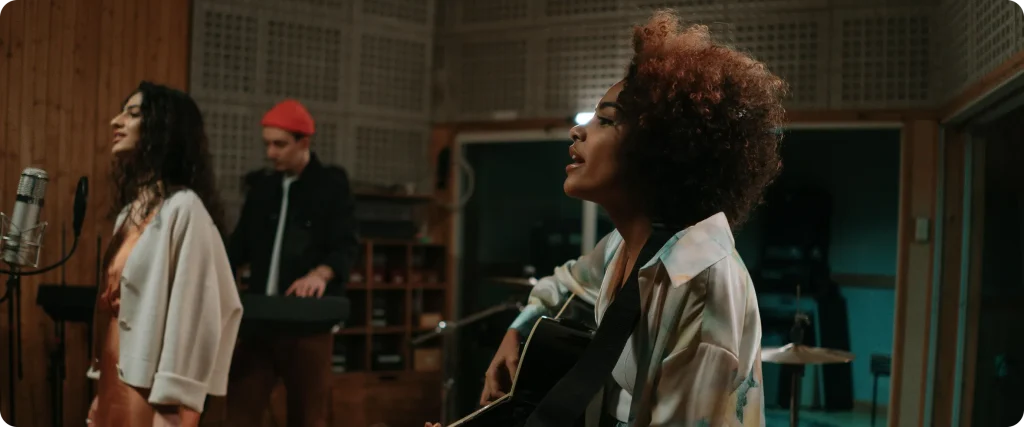
Music production is a multifaceted craft that blends artistry and technology, transforming raw ideas into polished, impactful tracks. For musicians, producers, or aspiring creatives, understanding the production process is essential to bring their musical visions to life. This guide outlines the essential components of music production, from planning and recording to the final master.
The Role of a Music Producer
At the heart of music production lies the producer, often referred to as the architect of a song. Producers collaborate with artists, make creative decisions, and oversee the technical aspects of recording, mixing, and mastering. Whether you’re crafting beats, recording live instruments, or fine-tuning vocal performances, your role is to shape the sound and story of the track.
As legendary producer Quincy Jones once said, “The producer’s job is to create an environment where magic can happen.”
“The most important thing in music is to make it real, to tell a story, and to feel the emotion.”
Setting Up Your Studio
A well-equipped studio is the foundation of any music production journey. Thanks to advances in technology, a professional-quality studio can now fit into a home setup.
Essential Tools:
- Computer and DAW: The centerpiece of digital music production. Popular DAWs like Ableton Live, Logic Pro, or FL Studio offer powerful tools for recording, editing, and mixing.
- Audio Interface: Connects microphones, instruments, and other audio sources to your computer while ensuring high-quality sound.
- Studio Monitors and Headphones: Accurate sound reproduction is crucial for making informed production decisions.
- MIDI Controller: A versatile tool for playing and programming virtual instruments.
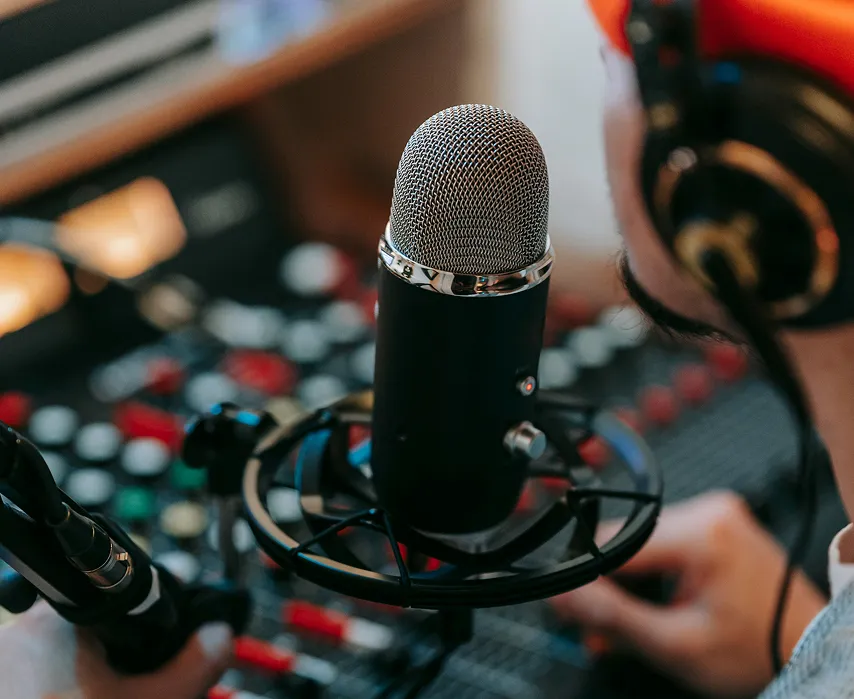
- Microphones: Dynamic and condenser microphones are essential for capturing vocals and instruments.
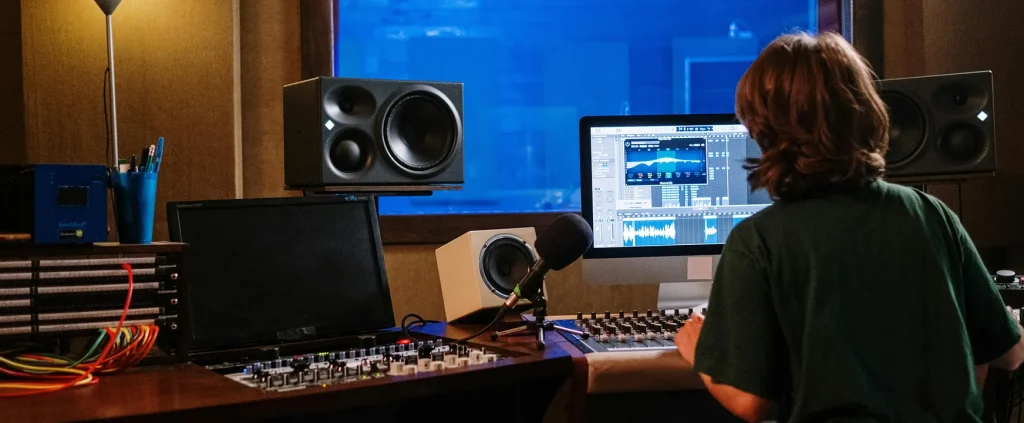
The Creative Process
Music production begins with a vision. This could be a melody, beat, or even a lyrical idea. Creativity thrives when combined with a structured workflow Crafting the song’s core elements—melody, harmony, and rhythm—lays the groundwork for production. Music theory, while not mandatory, can be a valuable tool for shaping your ideas. Don’t hesitate to experiment. Try blending genres, using unconventional sounds, or flipping familiar samples in unexpected ways. Modern music thrives on pushing boundaries.
Recording and Sound Design
Recording is the phase where your ideas take shape as tangible sounds. Whether capturing live performances or designing unique tones with virtual instruments, attention to detail is key.
Microphone Techniques:
The placement and type of microphone can dramatically affect the recorded sound. Test different setups to find the sweet spot for your instrument or vocal style.
Layering and Texturing:
Layering multiple takes or instruments adds depth and richness to your track. This is especially effective for vocals and harmonies.
Mastering: The Final Polish
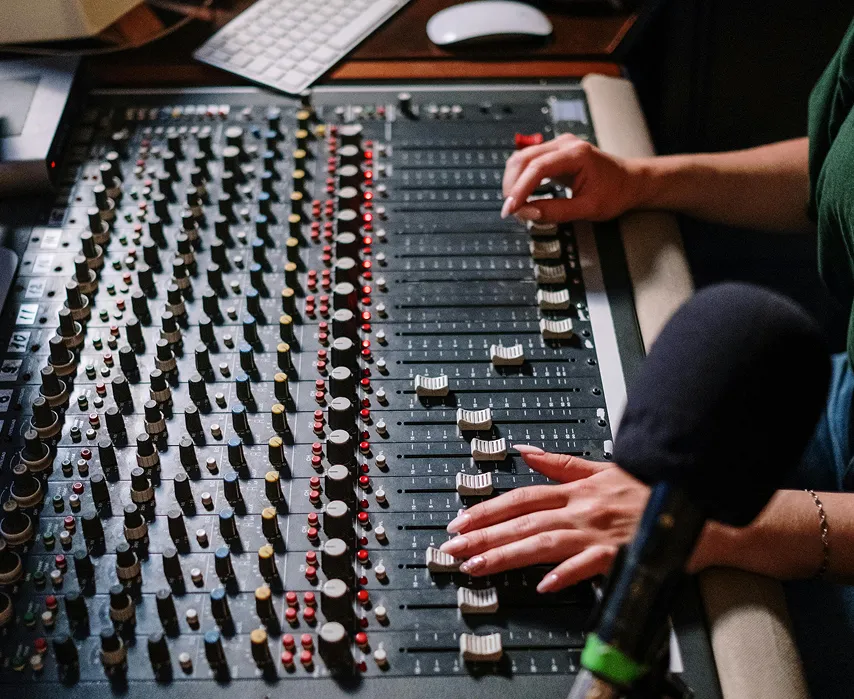
Mastering is the final step that prepares your track for distribution. The goal is to ensure the song sounds great across various playback systems and platforms.
Key tasks in mastering include:
- Maximizing loudness without sacrificing dynamics.
- Removing problematic frequencies using subtle EQ adjustments.
- Exporting high-quality files ready for streaming or physical formats.